
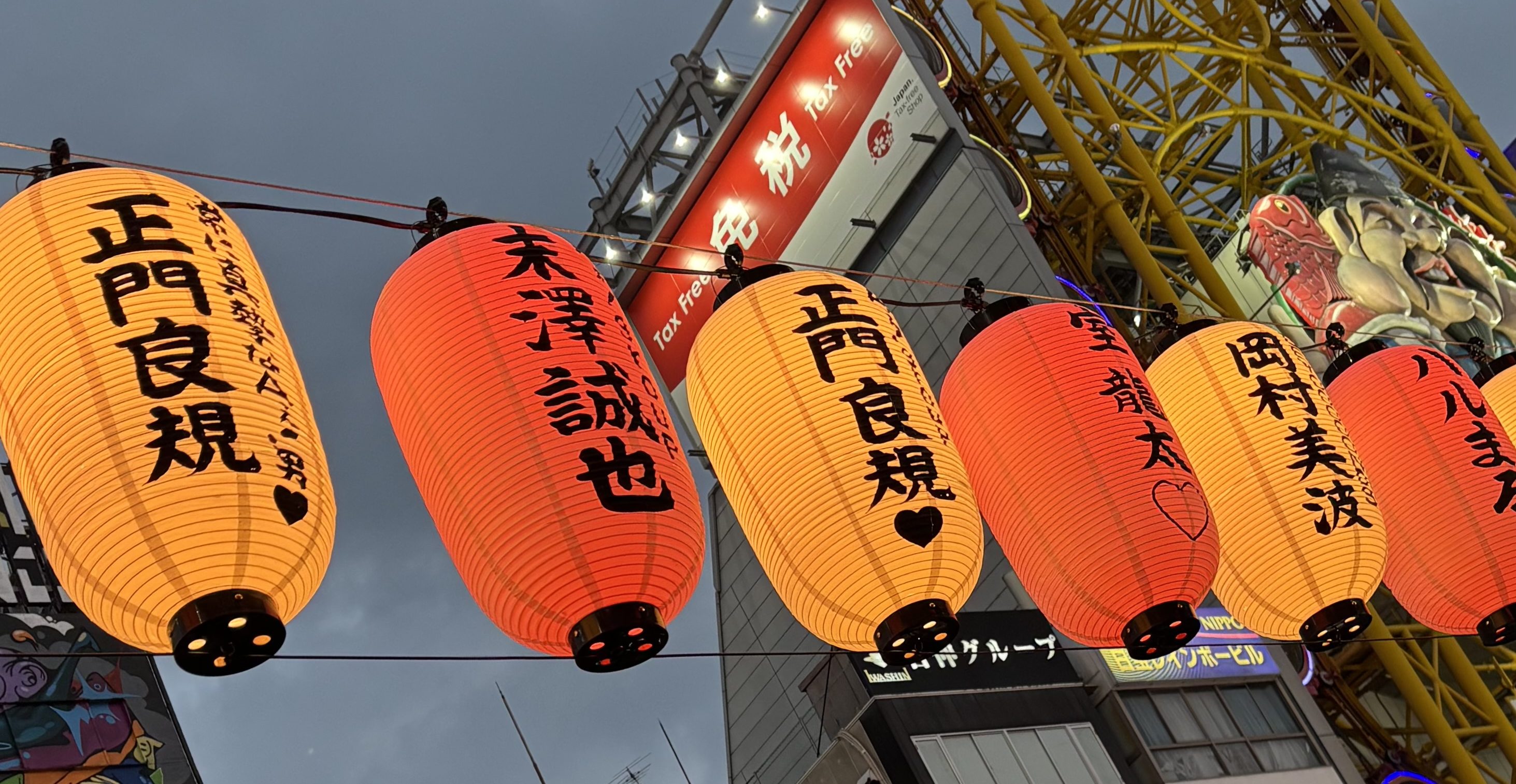
My first night in Kyoto, I sat at the dinner table with my host family, completely unable to say anything beyond ‘konnichiwa’ and ‘arigatou.’ They spoke almost no English. I spoke almost no Japanese. Four months stretched out ahead of me, and I remember thinking: how am I possibly going to survive this?
Studying abroad wasn’t something I’d spent years dreaming about or planning for. Honestly, the biggest reason I applied was that Swarthmore makes it so easy to. There’s a whole system of advisors whose job is just to walk you through the process, so what could’ve felt like a huge, intimidating leap ended up feeling like filling out a few forms with someone double-checking my work the whole way. Japan had always been somewhere I wanted to visit, even before college, so when the application felt this manageable, I figured — why not actually do it?
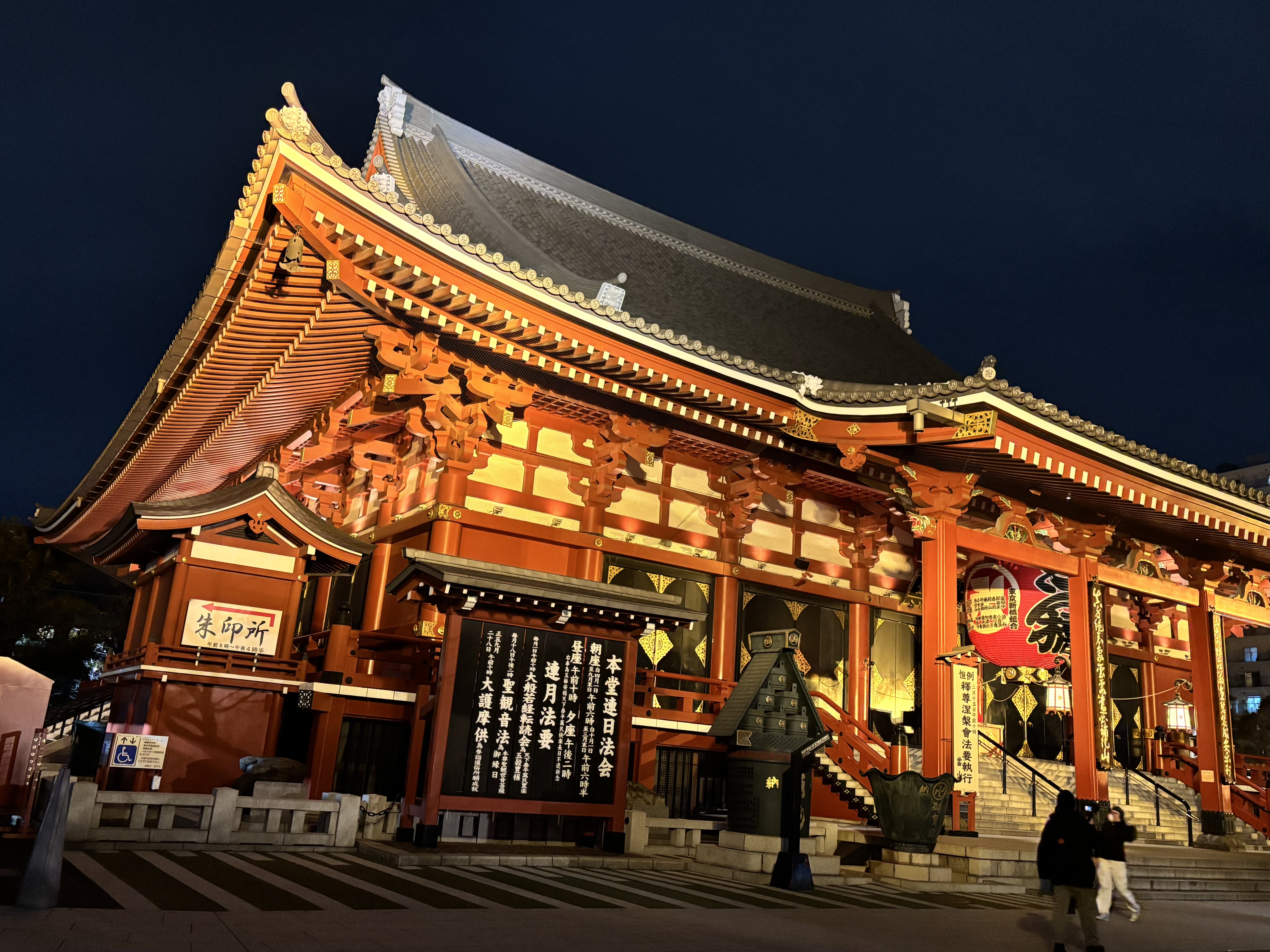
That first dinner, though, I wasn’t thinking about how smooth the application had been. I was just trying to figure out how to navigate this strange, new world without being glued to Google Translate. In my effort to push myself outside of my comfort zone and take advantage of an opportunity I likely wouldn’t encounter anywhere else, I was suddenly worried that I had bit off more than I could chew.
Thankfully, my nerves frayed from jetlag and homesickness were soon soothed by the allure of the cityscape and the rich cultural environment all around me. Despite starting out only understanding a few words and surviving by nodding and smiling, I soon found that I was able to comprehend more and more, eventually even able to hold fragmented conversations with my host family. I picked up Japanese less from textbooks and more from just existing in the city; I would overhear conversations on the train, perfect my routine of what to say when purchasing something at the convenience store, and before long I stopped dreading the possibility of someone stopping me to ask me something.
Some of the most memorable encounters I had were actually in many of the small businesses I poked my head into while exploring. The owners were always so kind and welcoming, and I found that many of them were just as interested in learning about my culture as I was interested in learning about theirs. There is something truly heartwarming about chatting with an elderly shop owner, experiencing their gratitude and kindness, and impressing them even with my meager Japanese speaking skills.

The friends I made through my program ended up being just as important as any of it. We were all foreigners together, all a little lost in our own ways, in a country that’s wonderfully, strikingly homogenous compared to home. That shared disorientation made us close fast. We figured things out together, laughed about our mistakes together, and by the end, we’d turned a city none of us had grown up in into somewhere that felt, unmistakably, like ours. In all senses, the people are truly what defined my time in Japan, and everyone from my host family to the staff at the restaurants I frequented helped me think of Kyoto as a home away from home.
I’m not sure I’ve ever pushed myself that far outside my comfort zone before, and I’m not sure anything has rewarded me quite as much for doing it. I came back changed in ways I’m still noticing, most noticeably with an inspiration unlike ever before to learn more Japanese. I hope to return to Kyoto eventually (hopefully knowing more than just a handful of words!), and I feel so privileged to know that there are people waiting to welcome me back someday.
